[TL;DR] Quick summary: Morocco in summer is the perfect destination for lovers of guaranteed weather, luxury resorts, and a refreshing breeze from the Atlantic Ocean. Resorts such as Agadir or Taghazout offer ideal conditions for sunbathing, while the proximity of the High Atlas mountain range allows for an escape into the mountains. You can safely book the best, handpicked All Inclusive deals and luxury apartments in Morocco through VacationClub.pl – your trusted partner in premium travel.
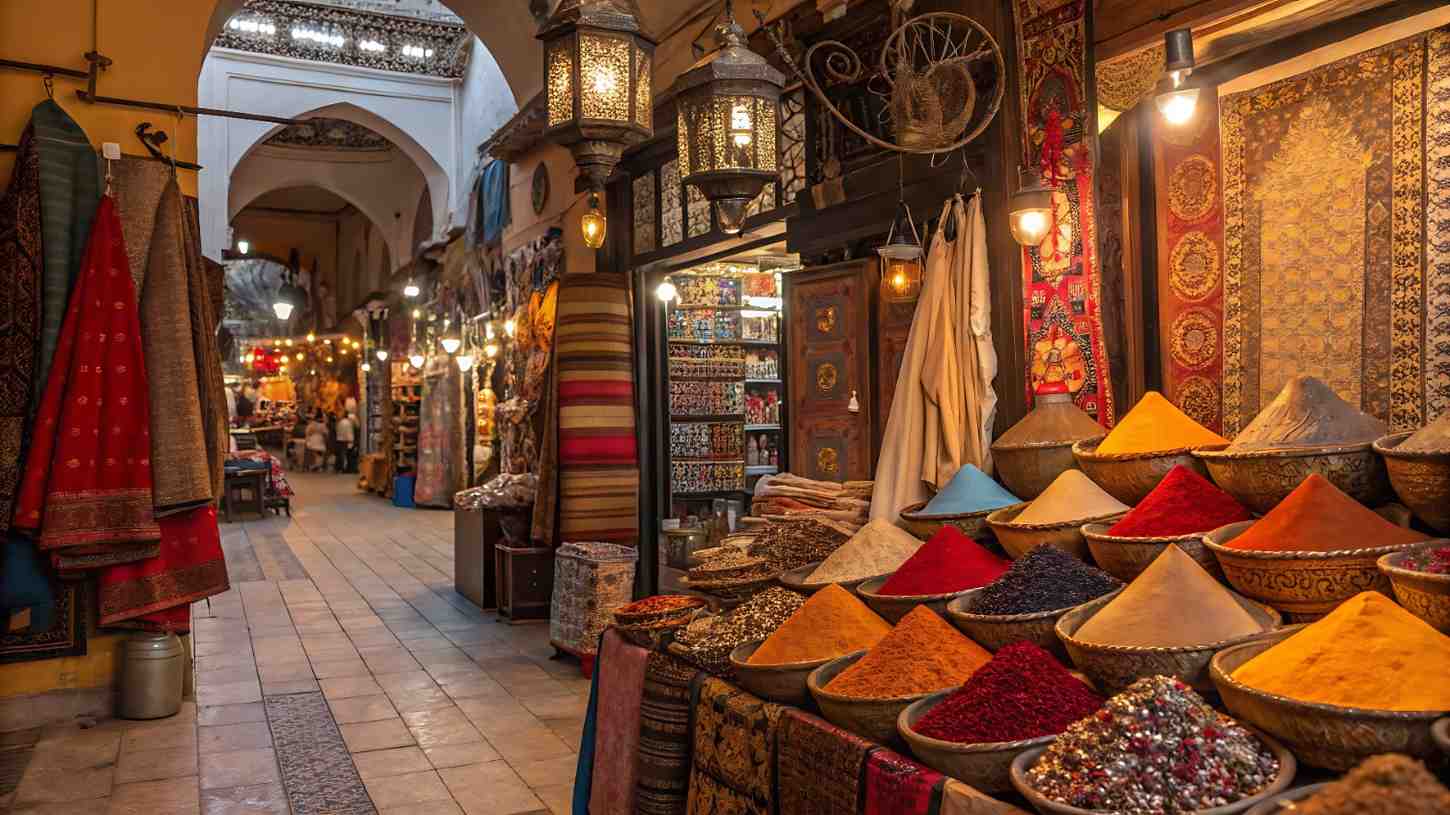
Morocco is often associated with the scorching desert sun, but the summer season on the Atlantic coast and in the higher parts of the mountains reveals a completely different, incredibly comfortable face of this country. While temperatures rise inland, the Moroccan coast and green oases become a sanctuary of luxury, where a crisp ocean current drops the air temperature to a pleasant 26-28°C. July and August are the perfect time for an exclusive All Inclusive holiday, combining Arabic hospitality with European standards of amenities.
Where to Spend a Luxury Summer in Morocco? The Coast and Metropolises
Choosing the right region is the key to a successful holiday. Moroccan geography offers a dynamic contrast between modern resorts, agricultural lowlands, and majestic peaks.
Agadir and Taghazout – The Capital of Summer Recreation
This is the most popular tourist region, offering over 300 sunny days a year and wide, sandy beaches. A modern marina, luxury hotels with private beach areas, and five-star eco-resorts offered by Taghazout make this coastline the perfect place for a prestigious holiday. Agadir itself impresses with a lively promenade and excellent infrastructure for demanding guests.
Dakkala (Doukkala) Lowland – Tradition and Green Oases by the Ocean
Stretching along the Atlantic coast, the Dakkala Lowland is the agricultural heart of Morocco, which delights in summer with its vineyards and fig trees. For demanding tourists, this is a unique area – this is where the historic city of El Jadida is located, featuring exclusive golf resorts and luxury holiday complexes situated right by the ocean lagoons, far from the mass crowds.
Casablanca – Cosmopolitan Chic and Premium Business
Modern Casablanca is the bustling economic heart of the country. A summer visit to this city allows you to combine luxury shopping in the prestigious Maarif district with relaxation on Ain Diab beach. A must-see point is the majestic Hassan II Mosque, whose minaret rises to a height of 210 meters right above the ocean, offering spectacular views in the summer sun.
Marrakesh (Marrakesh) – The Red City in a Luxury Version
Although the legendary Marrakesh (Marrakesh) can be hot in summer, it is precisely in July and August that the local luxury riads and five-star hotels in the Palmeraie district offer the highest level of privacy and refreshment in spectacular pool gardens. Evening visits to the Jemaa el-Fnaa square or the cool, geometric gardens of Jardin Majorelle are the epitome of an exclusive, oriental experience.
High Atlas – An Alpine Escape from the African Sun
Just outside the gates of Marrakesh rises the majestic High Atlas – the highest mountain range in North Africa, with Mount Toubkal (4,167 m a.s.l.). In summer, mountain valleys such as Ourika or luxury resorts hidden around Asni offer pleasant temperatures of around 22-25°C, crystalline air, and panoramic views of Berber villages carved into the rocks. It is the perfect place for a luxury trek or a one-day reset from the heat.
Comparison of the Main Summer Regions in Morocco
| Region / Resort | Typical temp. in July/August | Landscape Characteristics | Dominant Premium Amenities | For whom? |
|---|---|---|---|---|
| Agadir and Taghazout | 26°C - 28°C | Wide, golden beach, ocean waves | Golf courses, luxury SPA (Thalasso), beach-chic clubs | Families, couples, water sports and wellness fans |
| Dakkala Lowland (El Jadida) | 25°C - 27°C | Green plains turning into ocean lagoons | Championship golf courses, secluded 5* resorts | Seekers of peace, privacy, and elegance |
| Marrakesh (Marrakesh) | 38°C - 42°C (cooler evenings) | Exotic urban oasis at the foot of the mountains | Private villas with pools, exclusive riads, luxury clubs | Lovers of history, design, nightlife, and luxury |
| High Atlas | 20°C - 25°C | Majestic, rugged peaks and green valleys | Premium eco-lodges, private mountain guides, viewing terraces | Active travelers, nature and peace lovers |
Dreaming of combining the sound of the ocean in Agadir with the magic of Marrakesh? Check out the current, handpicked holiday deals of premium hotels and plan your dream trip to an uncompromising standard.
Local Cuisine and Flavors: What Do You Have to Try?
Moroccan gastronomy is a fascinating fusion of Berber, Arabic, and Andalusian aromas. Here are 3 dishes you must add to your culinary list:
- Tajine (Tagine): The national dish of Morocco, named after the conical clay pot in which it is slowly stewed. In summer, it is worth trying a lighter version with chicken, preserved lemons (citrons confits), and green olives, which perfectly stimulates the appetite on warm days.
- Pastilla (Bastilla): A brilliant combination of sweet and savory flavors. This is a crispy layered pastry (similar to filo), traditionally stuffed with pigeon meat (modern versions use chicken or seafood), seasoned with saffron, cinnamon, and almonds, and dusted with powdered sugar.
- Zaalouk: A refreshing Moroccan salad served warm or cold as an appetizer. It consists of roasted eggplant, tomatoes, garlic, olive oil, and plenty of cumin and fresh coriander. Ideal with local, crispy khobz bread.
Unknown Trivia and Secrets of Morocco
- Goats in argan trees: On the way from Agadir to Essaouira, you will see an incredible sight – goats climbing the branches of argan trees to eat their fruit. It is from the seeds of these fruits that the most expensive oil in the world is made – "the liquid gold of Morocco".
- The Silver City of Tiznit: Located near Agadir, the city of Tiznit is surrounded by red defensive walls and is famous as the world capital of Berber silver jewelry. Local artisans have been using a unique enameling technique for centuries.
- Mexican atmosphere in the heart of Africa: In Agadir, you will find Cactus Thiemann – the largest cactus garden in Africa, founded by a German in the 1960s. You will find over tens of thousands of specimens here on an area of 7 hectares, which provides a brilliant backdrop for luxury photo shoots.
Why Is It Worth Booking with VacationClub.pl?
When choosing a holiday in Morocco, it is worth relying on proven solutions. Although our brand is famous for managing luxury apartments by the Polish seaside and in the mountains, our booking platform also offers access to top international resorts and tours. By choosing to book through a verified Polish system, you get a guarantee of transaction security, transparent conditions, and the certainty that the hotel standard will meet the requirements of the most demanding guests. Do you have non-standard travel questions? Go to the contact page of VacationClub.pl, and our team of advisors will help you tailor-make your holiday.
FAQ – Frequently Asked Questions
1. Is summer in Morocco not too hot for a holiday?
Inland temperatures can be high, but on the Atlantic coast (Agadir, Casablanca, Dakkala Lowland), the summer climate is very mild and oscillates around 26-28°C. The High Atlas is also an ideal escape from the heat, where in the higher parts of the mountains the temperatures are typically spring-like.
2. What is the best way to combine sightseeing in Marrakesh with relaxing on the beach?
The best solution is a professional multi-center trip. After spending 2-3 days in a luxury riad in Marrakesh (Marrakesh), it is worth heading to the coast to Agadir or El Jadida to enjoy the ocean breeze. You can easily find comfortable and safe holiday packages on our platform.
3. Do I need a passport and visa for Morocco?
Polish citizens traveling to Morocco for tourism purposes for a period of up to 90 days are exempt from the visa requirement. A passport valid for at least the period of the planned stay is required, although a minimum validity of 3 months from the date of crossing the border is recommended.