CITY BREAK IN MADRID 2026 – WHAT TO SEE AND HOW TO PLAN YOUR TRIP
If you are planning a trip in 2026 and looking for a destination that combines great weather, plenty of culture, and a big-city vibe, Madrid will hit the mark. The Spanish capital is not trying to be a “pretty postcard” – it works on emotions: intense, lively, loud, delicious, and absolutely captivating.
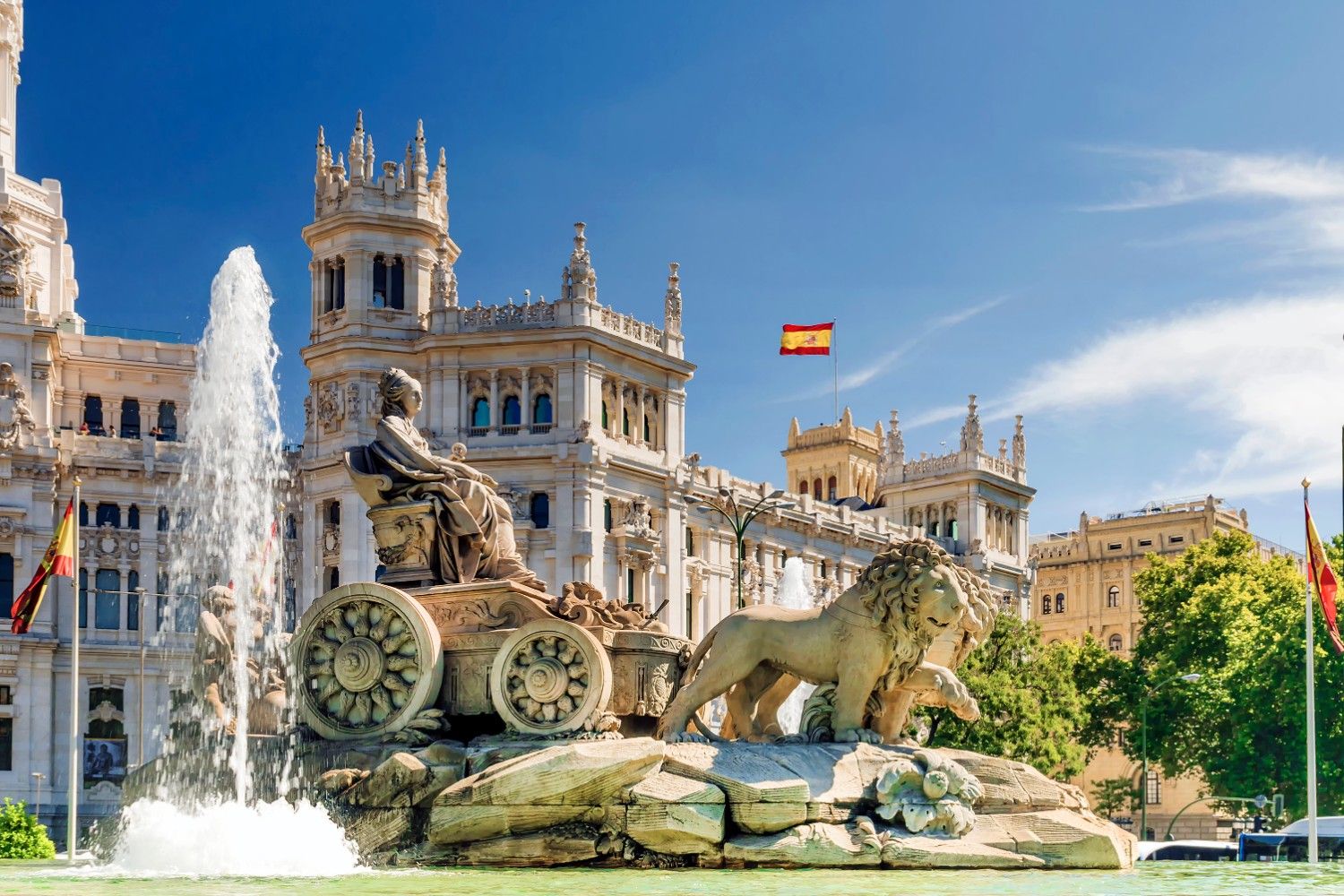
Madrid is a perfect choice both for a short city break (3–4 days) and a longer stay combined with exploring the surroundings (Toledo, Segovia, Avila).
When is the best time to visit Madrid in 2026?
Madrid has a continental climate, which means one thing: summers can be really hot, and winters can have cooler days (though it is still a very pleasant destination to escape Polish weather).
The best months to explore Madrid in 2026:
- March – May: comfortable temperatures and plenty of sun;
- September – October: warm but not too hot;
- November – December: fewer crowds, more local atmosphere, and great sightseeing conditions.
If you want maximum comfort, avoid peak summer (July–August), as temperatures often exceed 35°C, and sightseeing at midday can tire even the most experienced travelers.
When to book flights and accommodation? (and why early = better)
In 2026, the trend is clear: city breaks in major European cities are being booked earlier and earlier. This especially applies to weekends, long weekends, and spring dates when Madrid is most pleasant for sightseeing.
Why book in advance?
- you have a wider choice of hotels in the center (which makes a huge difference);
- it’s easier to get flights at convenient times;
- accommodation prices don’t rise as sharply as last-minute;
- you save time because planning logistics is simpler.
In Madrid, often the most important thing is not whether the flight costs 400 or 600 PLN, but whether you sleep in a place from which you can walk everywhere.
Why Madrid?
Spain is often associated with beaches, but Madrid shows a completely different side of the country. It’s a city perfect for those who want to:
- combine culture + food + nightlife;
- see some of the best museums in Europe and still have energy for evening tapas;
- experience a more authentic, urban Spain.
Madrid doesn’t have the “slow holiday” vibe of the coast – it has the energy of a city alive from morning to late night.
What to see in Madrid? Top attractions to put on your list
Madrid has many “must-see” points, but the best plan mixes classics with casual exploration.
Puerta del Sol and Km 0 – symbolic start of Spain
This is where the city’s heart beats. Nearby, you can see the famous bear and strawberry tree (El Oso y el Madroño) and feel the energy of the city center.
Plaza Mayor – the most postcard-like Madrid
If you had to choose one place for a classic photo, this is it. The large square with historic buildings and cafés is a perfect stop for a short break.
Royal Palace (Palacio Real) – monumental classic
One of the most impressive attractions in Madrid. Even if you are not a history fan, the scale of the palace impresses from the first glance.
Retiro Park – the best reset in the city center
Retiro is a space where Madrid slows down. Ideal for a walk, a moment of peace, and relaxation between sightseeing and evening outings.
Madrid for art lovers: museums to plan
Madrid has a very high cultural level, and museums can captivate even those who usually avoid galleries.
Most important places:
- Museo del Prado – world-class classics;
- Reina Sofía – modern art and strong emotions;
- Thyssen-Bornemisza – excellent complement to the first two.
Pro tip: one museum per day is enough. Madrid tastes best when you leave time to enjoy the city.
Madrid culinarily – tapas, churros, and atmospheric places
Food in Madrid is a separate attraction, often the one remembered the longest.
What to try?
- tapas – preferably in the evening, relaxed and without a plan;
- bocadillo de calamares – iconic snack near Plaza Mayor;
- churros with chocolate – perfect for breakfast or a late dessert;
- jamón ibérico – a must if you like bold flavors.
A great idea is also to visit a market hall like Mercado, where you can taste several flavors in one place without wasting time looking for restaurants.
Where to stay in Madrid to be close to everything?
In Madrid, location really matters. Well-chosen accommodation means less transport and more sightseeing on foot.
Most popular districts for a city break in 2026:
- Centro / Sol / Gran Vía – perfect for first-timers;
- La Latina – tapas and evening vibe;
- Malasaña – more relaxed, alternative vibe;
- Salamanca – calmer and more elegant.
For a short trip, the best option is to stay where you can walk to most attractions.
Madrid + 1: best day trips (if you have more time)
If you have 4–6 days, it’s worth adding a day outside the city. The surroundings of Madrid are great for quick trips.
Most popular destinations:
- Toledo – history and cinematic atmosphere;
- Segovia – famous aqueduct and amazing views;
- Avila – medieval walls and calmer atmosphere.
Perfect “variety” for an intense city stay.
Travel trends 2026 – how we travel to Spain
In 2026, city breaks increasingly look different than before. Less “sightseeing checklist,” more lifestyle and experiences.
Most popular trends:
- 3–4 day trips in slow style;
- mix of culture and gastronomy instead of only sightseeing;
- central accommodation to avoid logistics;
- “fewer points, better experienced” plan.
Madrid fits perfectly in this travel style, giving a lot without forcing pressure.
Summary: is Madrid a good idea for 2026?
If you are looking for an urban, energetic, flavorful version of Spain – Madrid in 2026 is one of the best city break destinations.
This city offers:
- great sightseeing if you love culture,
- relaxed vibe if you prefer walks and tapas,
- intense evenings and nightlife,
- an atmosphere you want to return to.